
Discovering Your Own Unique Artistic Voice Through Practice
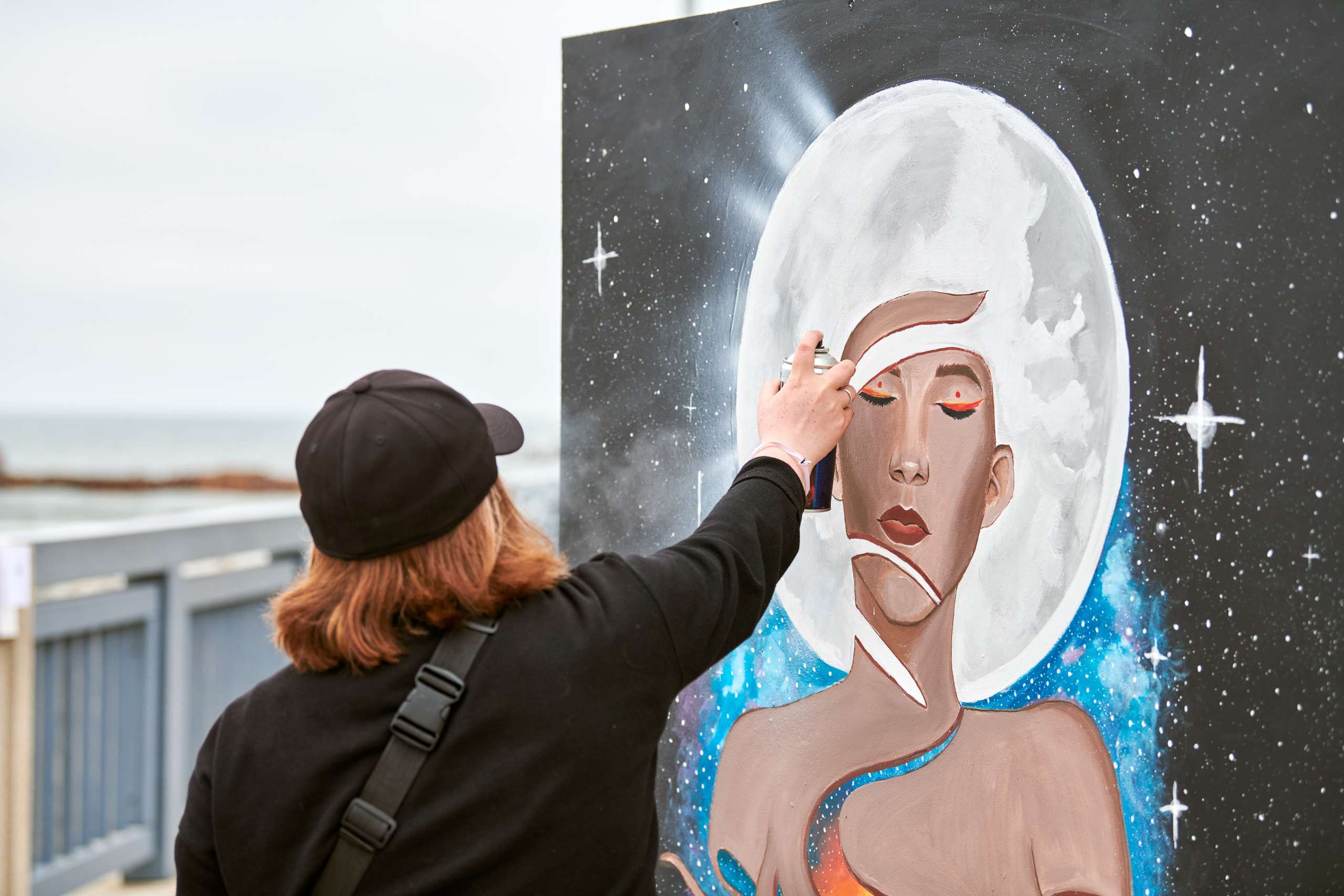
On the way to becoming an artist, we each search for a unique creative voice that defines our practice and shares with others how we see and feel. Nurturing this voice is not a technical expertise, it’s about regular practice, experimentations and reflections. They have to play around with different ideas, methods and mediums until they find what speaks directly to their various senses. Artists align themselves with the ways of making art that feel right for them over time, experimenting to see which methods seem like genuine expressions while working to capture their vision.
Learning to discover a unique voice starts with learning the basics… color, composition and form. Control of these basics can lead to the freedom necessary for creativity to take place. When technical mastery has been mastered, students can start to take some risks, mixing what they have learned with their instincts. The balance of discipline and adventure is important, because one wants to be innovative but also clear about the structure of the work.
Another very important_aspect_of artistic growth is reflection. Artists learn to look at their finished works, read where they succeeded or failed (or how much) and feel what is being felt according to emotional effectiveness. Keeping journals, sketchbooks, or revisiting earlier works help to document a trajectory of evolving patterns and motifs that may come to define one’s visual language. This kind of serious play over time can actually build skill and self-awareness as well.
In addition, exposure to the art of other artists has a major effect on determining a personal style. Seeing people with different techniques and creative approaches makes you inspired to adjust, not mimic. They teach students to borrow abstract concepts (in creativity, criticism, interpretation and the like) only to render them in terms that conform with their own. This process of absorption and re-creation hones an artist’s voice, provides it with depth and nuance.
And of course, finding your own artistic voice is completely a lifelong endeavor. It is a living body of work that organically grows with experience, experimentation and introspection, developing technically and expressing personally. Throughout their work, students who are willing to practice regularly and adopt an open-minded mentality tend to create imagery that is not only visually engaging but also profoundly original — for themselves, as well as others.